

History – the Heart of Argyll – Scotland
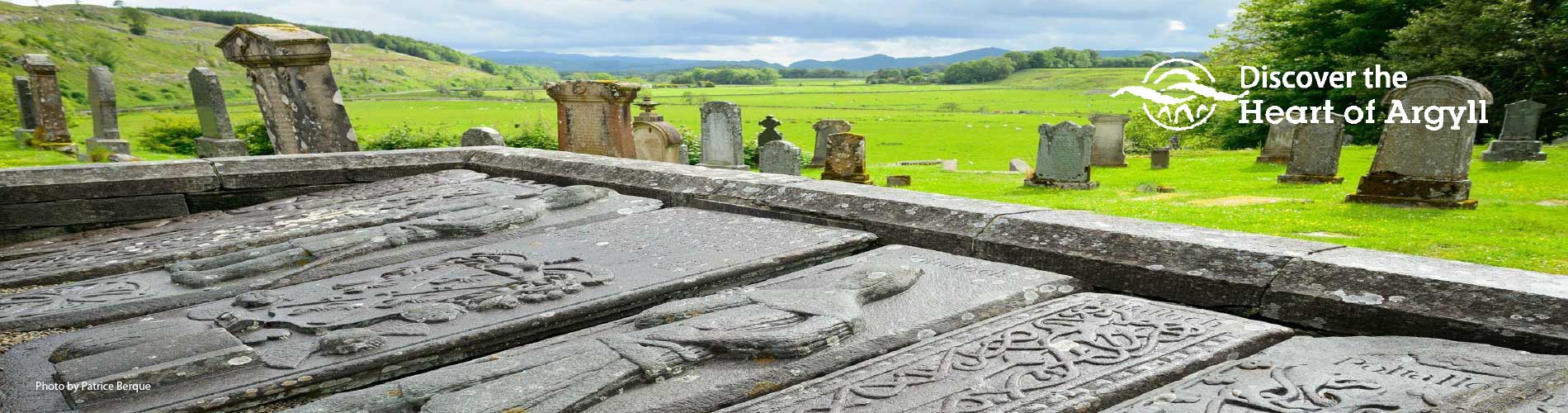
The landscape of the Heart of Argyll is richly layered with Scotland’s history, making it a fascinating destination for short breaks and longer holidays. From the Bronze Age standing stones and burial cairns in Kilmartin Glen and Knapdale, to Dunadd Fort, the birthplace of our nation, where the ancient Kings of Dalriada were inaugurated. You’ll find yourself returning time and time again to delve deeper.
You can walk in the footsteps of Saints and follow the progression of Christianity from the hermit islands, caves and beaches around the Kintyre peninsula via our coastal villages to Oban. From ancient carved crosses, medieval grave slabs, tiny stone churches and ancient elliptical grave yards to the magnificent renaissance residence, Carnassarie Castle, of the Bishop of the Isles Master John Carswell, who published the gaelic translation of the Book of Common Order in around 1567.
Carnasserie Castle, Castle Sween and the castles at Tarbert, Skipness and Inveraray are all steeped in history, while at Auchindrain Township, the social history of the clearances and agricultural change is compellingly brought to life. Inveraray Jail and Courtroom is a stark reminder of crime and punishment of the 19th century.
As you travel around Argyll (Earra-Ghàidheal – coastland of the Gael) you will find dual language signposts. The Gaelic language is important in helping you understand and develop a sense of place within this historically significant area of Scotland.